 Chat to a clinician
 Find a centre
 Emergency assistance
 Donate now

It’s something most people will experience at some point. It can affect many parts of our lives, including our confidence, mood, and motivation. Sometimes loneliness can show up even when we’re surrounded by others. Connection is also about more than just being around people- it can include feeling connected to ourselves, our culture, faith, language, and a sense of purpose.
If you’re feeling lonely right now, you don’t have to figure it all out at once. Small steps towards connection, can make a real difference to how you feel over time.
"Loneliness can happen to anyone at any time. You don't have to be physically alone to feel disconnected, and it doesn't always need to seem 'logical'. Your feelings are always valid because you felt them.”- Young person, 16
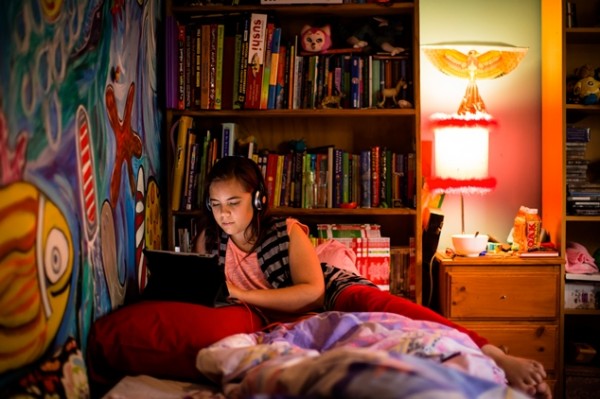
What can cause loneliness?
There is no one reason or cause. It can show up in lots of different ways for lots of different reasons, including:
-
Big life changes and experiences. Starting a new school, uni, job, moving cities or countries.
-
Having less contact with others including drifting from friends or outgrowing relationships as your values, interests, or identity change over time.
-
Not feeling understood or accepted, including not feeling supported around gender identity, culture, neurodiversity, or illness and disability.
-
Feeling like you don’t ‘fit in’, not feeling good about yourself, or like you have to hide parts of yourself.
-
Feeling caught between different cultures, values, and expectations.
-
Physical isolation, living remotely, physical limitations, or busy schedules that make connection harder.
-
Having feelings that can’t fully be expressed in the dominant language.
-
Loss. Breakups, friendships ending, or death of a loved one.
-
Imbalance in relationships, feeling like you’re always the one to reach out.
-
Shallow or surface level friendships that don’t feel deep or real (in person or online).
-
Comparing yourself to others, especially online where you’re seeing curated highlights.
-
Feeling or experiencing disconnection or lack of belonging from family, culture, Country, faith, language, community, and purpose. This includes moving away from family and friends.
-
Experiences of bullying, abuse, racism or discrimination.
Loneliness can show up differently for everyone. People who process the world in unique ways, for example, those who experience sensory sensitivity, have diverse ways of processing information, or are navigating healing or mental health challenges, might find some social situations less comfortable or more tiring. That doesn’t mean connection isn’t possible or valuable; it might just look different, and that’s completely okay.
Sometimes we feel lonely even when there’s no clear reason. That doesn’t make it any less real.
“Loneliness is something that I’ve felt since moving away from my home to study. This stemmed from loss of existing support channels, familiar environment, and a huge sudden influx of new people, places and activities which left me feeling overwhelmed and often locked in my room to “catch my breath”- Young person, 21
What loneliness can feel like
Loneliness isn’t just an emotion or feeling, it can show up in different ways including…
- Feeling sad, flat, numb, or low energy
- A sense of “being on the outside looking in”
- Wanting connection but feeling stuck- caught between wanting to connect and avoiding it because it feels too difficult
- Worry around social interactions
- Thoughts that there is something wrong with you or feeling unlikeable
- Feelings of shame or self-blame
- Feeling invisible or alone even when around others
- Feeling like you have to ‘switch’ who you are depending on where you are
- Appearing socially connected or “fine” on the outside, while feeling disconnected on the inside
It can become a loop- the lonelier we feel, the more we want to withdraw, and the harder it can feel to reach out- even when we want connection.
Loneliness is a normal human experience, and these feelings might come and go, passing quickly. This can still be distressing and it’s never too early to ask for help.
“Loneliness felt like a constant ache, not sharp enough to name, but always there. It softened my energy, made me question my worth, and convinced me that something about me was too much or not enough. It wasn’t just sadness, it was the feeling of being unseen, even by myself.” - Young person, 19
The part people don’t talk about: reaching out can feel hard
Let’s be real. Loneliness can feel tough and so can putting yourself out there. It can bring up worries about things feeling awkward or being rejected or ignored. It might feel hard to know what to say and who to say it to. Sometimes it can seem easier to stay quiet, even when a part of you wants connection.
That push pull… wanting connection but also avoiding it… is really common. The fact that part of you does want connection (the part that is reading this right now) matters. It shows there’s a drive in you to reach out, even if it feels hard right now.
What can help when loneliness shows up
There’s no one “right” way to deal with loneliness. These are ideas, not expectations. Try what feels in reach for you today, leave what doesn’t.
Start with yourself
You don’t have to analyse it deeply, just acknowledging “this is where I’m at” can help. If your thoughts are giving you a hard time, try speaking to yourself like you would a mate or someone you care about. Loneliness is human, it doesn’t mean you’re unlikeable or doing life wrong. It also doesn’t mean something is wrong with your family, community, or relationships, sometimes connection just ebbs and flows.
A first step can be to reconnect with your body and basic needs:
- move, stretch, or get some fresh air
- rest, eat, hydrate
- do something calming or familiar
Feeling a bit more grounded in yourself can make connection feel more doable.
Start small (and keep it low-pressure)
Connection doesn’t have to be deep or intense.
- Say hello or make small talk
- Message someone you haven’t spoken to in a while, maybe a friend, cousin, family member
- Invite someone for something simple (coffee, walk, game) or join in with something already happening
- Be around others without needing to talk much (home, gym, library, café, watching TV with someone)
Even being around people, without interacting much, can ease that sense of isolation.
Build connection over time
Connection often grows through repeated, small moments.
- Go to the same place regularly
- Join structured or interest-based activities
- Give interactions a few tries before deciding they’re ‘not for you’
- Reconnect with past connections or communities where you’ve felt comfy before
- Lean into existing relationships and networks. Connection doesn’t always mean meeting new people
Familiarity builds comfort, and comfort builds connection.
Be mindful of social media
Social media can help you stay connected, especially if you live away from family and friends. The ways we use it can also make loneliness feel for intense, especially if you’re comparing yourself to other people’s highlight reels or find yourself stuck scrolling. You could try:
- taking breaks
- muting or unfollowing accounts that trigger comparisons
- choosing to curate content that benefits your state of mind
- focus on spaces where you get to interact (message, chat, game), not just doom scroll
- connecting with online communities that reflect your culture, identity, or shared experiences
It’s not about cutting it out completely, just noticing what helps and what doesn’t.
Do things that help you feel like yourself
Connection isn’t just about connecting with other people; it’s also about feeling connected to yourself and your relationships, culture, and community. Spending time doing things that you enjoy can help us connect back into ourselves. Maybe for you that’s…
- Hobbies. Art, music, building, making, writing, dance, sport, riding dirtbikes… anything that taps into your interests that you just get lost in.
- Cultural, spiritual, or community practices. Connecting to something bigger that grounds you in your values and identity.
- Shared or collective activities. Like cooking together, caring for family, community events, or cultural practices
When you feel more like yourself, it can be easier to let others in.
Find your version of connection
There’s no one way to be social. You might prefer:
- one-on-one over big groups
- online spaces over in-person (or vice versa)
- shared activities over deep conversations
- quieter spaces over loud ones
Connection could look like gaming with others, volunteering, spending time with family, or being part of a community linked to your interests, culture, or values.
For some people, connection is more about ‘we’ than ‘me’; being part of a group, showing up for others, and sharing everyday life.
You don’t have to fit into someone else’s idea of what connection “should” look like.
“Taking up a hobby or responding to that one friend's story can bring fulfillment and help you find community." Young person, 16
“I think people can feel very lonely when they doomscroll on social media. Like, if I’ve been there for twenty-five minutes doom scrolling, I look at myself and I'm like, OK, wait a second, phone down. Let's go on a motorbike ride. Let's socialise.” – Young person, 18
When connection doesn’t go to plan
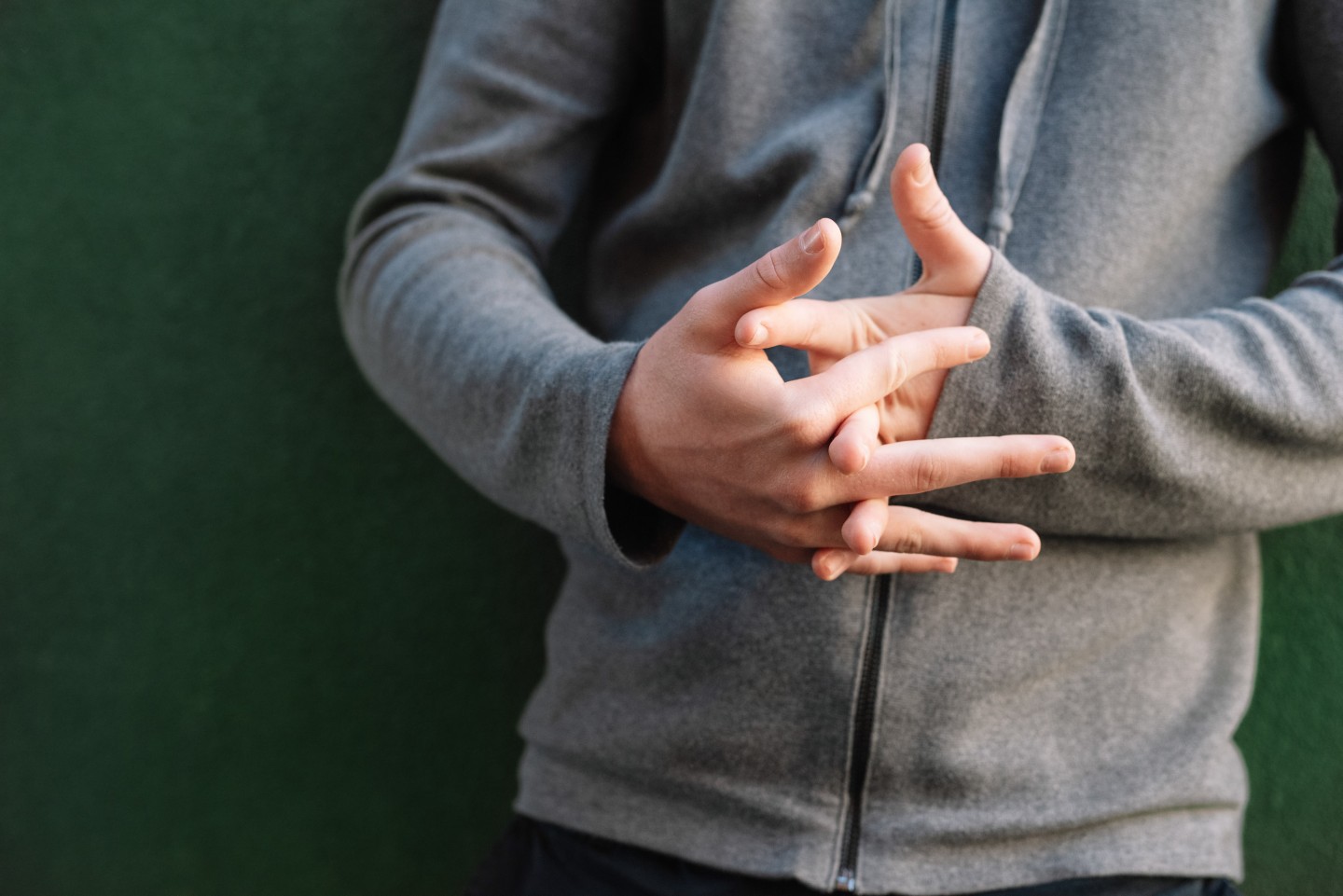
Trying to connect doesn’t always work straight away. Messages go unanswered. Conversation might feel awkward. Plans fall through. Maybe you leave an interaction still feeling disconnected. This can be discouraging, especially if it took effort to try. It doesn’t mean you failed, or that connection isn’t possible for you. Building real connection usually takes:
-
Time
-
Trying to connect with different people or spaces
-
A few awkward or unsuccessful attempts along the way
If it didn’t go the way you hoped, give yourself credit for trying and when you feel ready have another crack at it. Connection doesn’t usually happen all at once. It builds slowly, through small moments, small risks, and showing up again.
When loneliness feels heavy
Loneliness can come and go but sometimes it sticks around and starts to feel exhausting or hard to shift. If it’s affecting your mood, energy, or day-to-day life, it might be a sign you could use some extra support. You might notice things like:
-
Feeling numb, flat, depressed, anxious or low in energy
-
Pulling away from people or thing you usually enjoy
-
Experiencing conflict in your relationships
-
Changes in sleep, appetite, or motivation
-
Increasing your use of alcohol or other drugs
Loneliness itself isn’t a mental illness, but when it hangs around for a while, it can start to impact your mental health – and the two can feed into each other. Reaching out isn’t a sign that something is ‘wrong’ with you, but a response to a very human need for connection. You might reach out to;
-
a friend, family member, teacher, Elder or someone you trust
-
a counsellor or mental health professional
-
an online or local support service like eheadspace or your local headspace centre. You’ll
-
also find a list of supports available below.
You don’t have to wait until things feel really bad. Support is there to meet you wherever you’re at, even if you’re not sure what to say yet. It’s never too early to seek connection and ask for support.
“Reaching out felt terrifying, but it was also the moment I understood that this longing for connection wasn’t a weakness, it was a deeply human need, and one that could still be met.”- Young person,19
Final thought
Loneliness is something that many young people experience. If you feel lonely right now, know that you’re not alone in this. Support and connection can be built over time, and you deserve relationships where you feel understood, safe, and able to be yourself.
Where to get support
If you ever feel unable to cope because of intense emotions of if you have thoughts of harming yourself, then ask for help immediately. For immediate help contact triple zero (000) if it is an emergency.
National 24/7 crisis services:
- Lifeline: 13 11 14
- Suicide Call Back Service: 1300 659 467
- Beyond Blue: 1300 224 636
Additional support services for young people:
- headspace: visit headspace.org.au to find your nearest centre or contact eheadspace, our phone and online service (12-25 years)
- Kids Helpline: 1800 55 1800 (5-25 years)
- ReachOut (under 25 years)
- SANE Australia: 1800 187 263 (18+ years)
Speak to your local doctor / General Practitioner (GP) or you can search for a health service and GP on Head to Health.
Other useful resources
headspace Peer-led chats hosts weekly discussions for young people by young people. You can join the headspace online community to chat with peers about a variety of topics, or view the transcripts. Log in or create a headspace website account to see what chats are coming up or happening now.
What are mental health difficulties
We’d like to recognise the lived experience expertise of the people who’ve contributed to this resource. With thanks to: Tyler, Usha, Justin, Atticus, Mahir, Noma, Rhys, Adnan and Sankara.
References
two thirds of young people feel lonely | headspace
Study finds links between social media and loneliness depend on the app | King's College London
The headspace Content Reference Group oversee and approve resources made available on this website.
Last reviewed April 2026
Get professional support
If you feel you need help there are a range of ways we can support you.